



Bacon-Wrapped Tater Tots: How to Get Crisp Bacon and a Hot Center
Bacon-wrapped tater tots sound almost self-explanatory until you cook a tray. The tot wants high heat and open airflow. Bacon brings fat, moisture and a different cooking pace. Our old High Life Lounge post described tots wrapped with jalapeño and bacon, fried, then topped with cheese. A home oven version can work well too, as long as you plan around those competing textures.
Use smaller bacon pieces
A full strip wrapped around one tot creates several overlapping layers. The outside can brown while the inner bacon stays soft.
Cut each strip into shorter pieces that wrap around the tot once with a modest overlap. Thin or regular-cut bacon usually matches the size and timing of frozen tots better than very thick slices. Secure the seam underneath on a rack or baking sheet so the weight of the tot helps hold it closed.
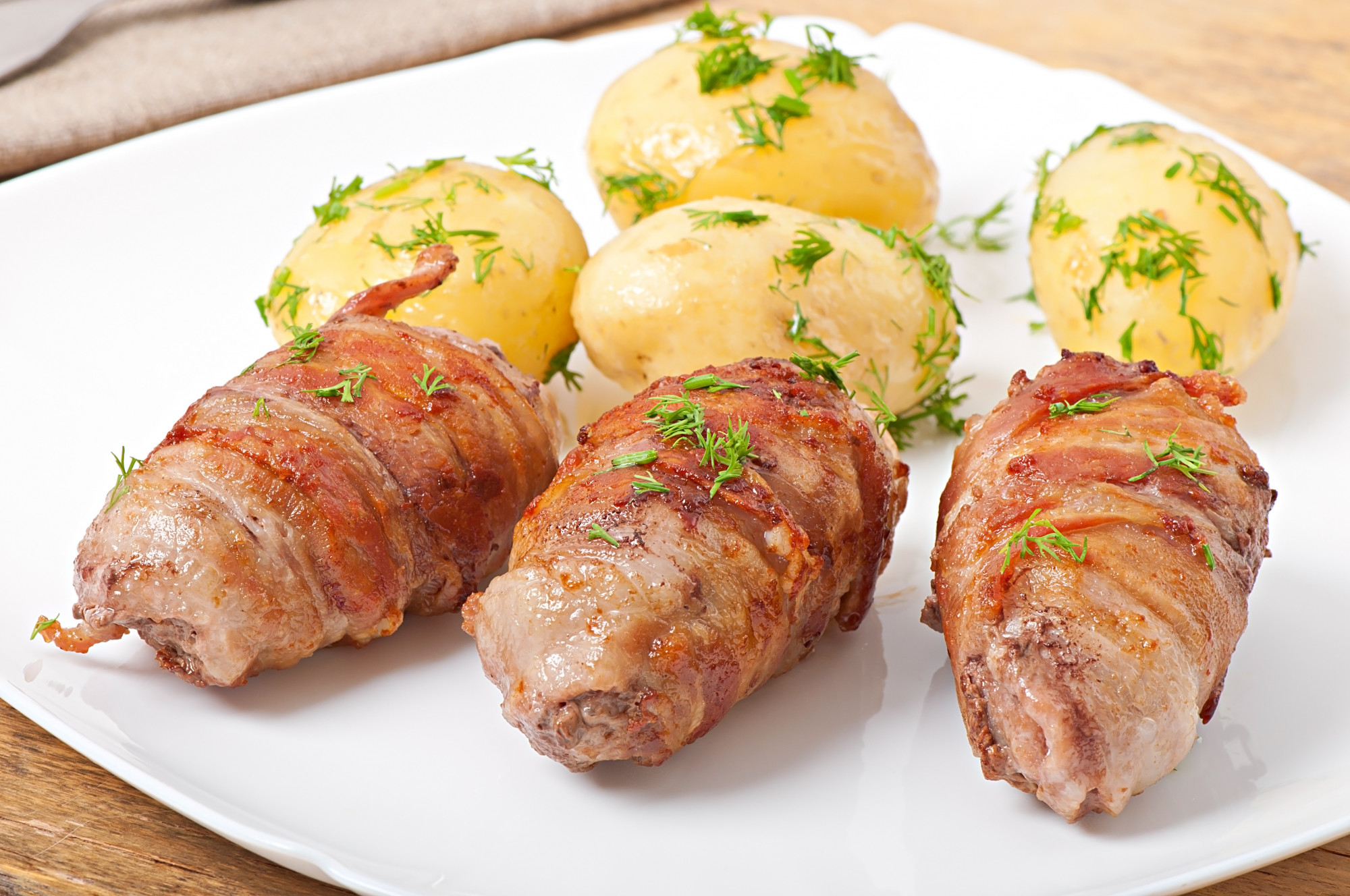
If you use toothpicks, remove them before serving and tell everyone if any remain on the platter.
Give the fat somewhere to go
Bacon renders as it cooks. If the tots sit in that fat, the bottoms fry while the upper surfaces roast. That can be tasty, though the texture will vary from side to side.
A wire rack over a rimmed sheet lets rendered fat drip away and exposes more of the bacon to moving hot air. No rack? Turn the pieces during cooking and drain excess fat carefully if the tray becomes flooded.
Leave space between pieces. A crowded pan traps steam and slows browning.
Batch size makes a bigger difference than people expect. One packed sheet may seem efficient, yet two looser trays usually give the hot air a clearer path around the food. If your oven has hot spots, rotate the pans during cooking instead of constantly opening the door to check individual pieces.
USDA’s bacon and food safety guide covers refrigeration and handling for bacon products. Follow the package directions as well, since bacon can come raw, partially cooked or fully cooked.
Add cheese and sauce late
Cheese can burn or slide into the pan long before the bacon finishes. Sauces with sugar can scorch for the same reason.
Cook the wrapped tots until the bacon has reached the doneness you want, then add shredded cheese during the final minutes. For a sticky glaze, brush it on near the end. Jalapeño can go inside the bacon wrap if you want it softened, or on top afterward if you prefer a fresher bite.
That order keeps each component doing one job at a time.
Our High Life Lounge post paired the bacon and tots with jalapeño and cheddar/jack. You can keep that flavor idea while changing the cooking method completely.
Make a tray that survives the party
These are best shortly after cooking, when the outside still has contrast. If you need to hold them, use a warm oven and avoid covering the tray tightly; trapped steam softens the bacon and potato coating.
For leftovers, cool and refrigerate them promptly. USDA guidance says to refrigerate perishable leftovers within two hours; its leftovers and food safety page also explains safe storage and reheating.
Reheat on a rack or open tray instead of using a covered container. The microwave will warm them quickly, though it usually sacrifices crispness.
A good batch has a straightforward rhythm: crisp bacon outside, hot potato inside, then a small hit of cheese, pepper or sauce. That is enough. The appeal of bacon-wrapped tater tots lives in the contrast, so the cooking method should protect it.